


Gulmarg Trekking: Off-Season Adventure Awaits
- Mir Manzoor
- Jan 6
- 4 min read
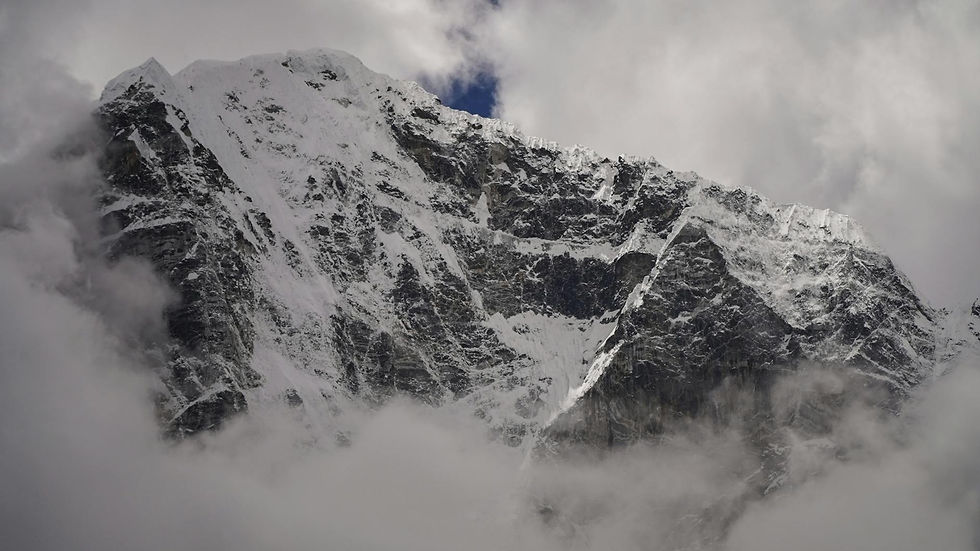
The crisp mountain air bites at your cheeks, a stark contrast to the familiar warmth of the valley you left behind. Above, the peaks of the Himalayas, draped in a majestic cloak of snow, watch over you. This isn't the Gulmarg overflowing with summer tourists or bustling with skiers during peak winter. This is Gulmarg: Off-Season Trekking and Adventure, a realm of quiet solitude and raw, untamed beauty waiting to be explored. The crowds are gone, the trails are less travelled, and the experience is infinitely more personal. But is trekking in GULMARG during the off-season right for you? Let's delve into what awaits the adventurous soul who chooses to wander these paths less trodden.
Understanding Gulmarg's Off-Season Charm
Gulmarg, renowned for its skiing slopes and vibrant summer meadows, transforms into a serene and somewhat challenging landscape during its off-seasons. These periods, primarily spring (March-May) and autumn (September-November), offer a unique perspective on the region. Snowmelt in spring reveals lush green patches amidst the receding snow, while autumn paints the landscape in a fiery palette of reds, oranges, and browns. The weather is unpredictable, ranging from sunny days to sudden showers, and sometimes even early snowfall. This volatility demands careful planning and preparation.
Why Choose Off-Season Trekking?
Solitude and Tranquility: Escape the crowds and immerse yourself in the peaceful ambiance of the mountains.
Unique Perspectives: Witness the changing seasons and the dramatic shifts in the landscape.
Lower Costs: Enjoy discounted rates on accommodation and transportation.
Enhanced Challenge: Experience a more demanding trekking environment, testing your skills and resilience.
Planning Your Gulmarg: Off-Season Trekking and Adventure
Venturing into the GULMARG mountains during the off-season requires meticulous planning. This is not a spur-of-the-moment decision; it demands careful consideration of weather conditions, trail accessibility, and necessary gear.
Assessing Weather Conditions
The weather in GULMARG during the off-season is notoriously unpredictable. Check the forecast regularly and be prepared for sudden changes. Pack layers of clothing to adapt to varying temperatures. Be aware of potential hazards such as avalanches in spring and landslides in autumn, especially after heavy rainfall. It is wise to consult with local guides about current trail conditions and weather patterns.
Selecting the Right Trails
Not all trails are accessible or safe during the off-season. Opt for lower altitude treks that are less prone to snow cover or landslides. Popular options include the trek to Khilanmarg (if snow permits) or shorter hikes around Gulmarg town. Hiring a local guide is highly recommended, as they possess intimate knowledge of the terrain and can navigate you safely. They can also provide valuable insights into local flora and fauna.
Essential Gear and Preparation
Proper gear is crucial for a safe and enjoyable off-season trekking experience.
Waterproof and windproof clothing: Essential for protection against unpredictable weather.
Sturdy hiking boots: Provide ankle support and traction on uneven terrain.
Warm layers: Fleece jackets, thermal underwear, and insulated gloves are necessary for regulating body temperature.
Navigation tools: A map, compass, or GPS device is vital for staying on course.
First-aid kit: Include essential medications, bandages, and antiseptic wipes.
Plenty of water and high-energy snacks: Stay hydrated and fueled throughout your trek.
Safety Considerations for GULMARG: Off-Season Trekking and Adventure
Safety should always be your top priority when trekking in GULMARG during the off-season. The unpredictable weather and challenging terrain can pose significant risks.
Hiring a Local Guide
A local guide is not just a luxury; it is often a necessity. They can provide invaluable assistance with navigation, risk assessment, and emergency response. They are also familiar with local customs and can help you interact respectfully with the community.
Staying Informed and Prepared
Keep abreast of weather updates and trail conditions. Inform someone of your trekking plans and expected return time. Carry a satellite phone or emergency communication device in case of emergencies. Be aware of the symptoms of altitude sickness and take necessary precautions.
Respecting the Environment
Practice Leave No Trace principles. Pack out all your trash, stay on marked trails, and avoid disturbing wildlife. Be mindful of local customs and traditions.
The Rewards of Off-Season Trekking in Gulmarg
Despite the challenges, trekking in Gulmarg during the off-season offers unparalleled rewards. The solitude, the stunning scenery, and the sense of accomplishment are unforgettable. It's an opportunity to connect with nature on a deeper level and experience the raw beauty of the Himalayas without the distractions of the crowds. You'll witness a side of GULMARG that most tourists never see.
Frequently Asked Questions
What are the best months for off-season trekking in GULMARG?
Spring (April-May) and autumn (September-October) generally offer the most favorable conditions, with milder temperatures and fewer weather extremes. However, be prepared for unpredictable weather regardless of the month.
Is it safe to trek alone in GULMARG during the off-season?
Trekking alone is not recommended, especially for inexperienced trekkers. The unpredictable weather and challenging terrain can pose significant risks. Hiring a local guide is highly advisable.
What permits are required for trekking in GULMARG?
While specific permits may vary depending on the trekking route and the time of year, it is generally advisable to check with the local tourism office or your trekking agency to ensure you have all the necessary permissions. Forest entry fees may also apply.
What is the level of fitness required for off-season trekking in GULMARG?
A moderate to high level of fitness is recommended, as the terrain can be challenging and the altitude can affect your stamina. Regular exercise and acclimatization are essential.
What are some recommended trails for off-season trekking in GULMARG?
The trek to Khilanmarg (if snow conditions allow), the Apharwat Peak trek (for experienced trekkers and only with a guide if conditions are safe), and shorter hikes around Gulmarg town are popular options. Consult with local guides for the most up-to-date recommendations.
The whispers of the wind, the crunch of snow beneath your boots, the breathtaking views that stretch as far as the eye can see – these are the moments that define a Gulmarg: Off-Season Trekking and Adventure experience. It's not just a trek; it's an immersion into a world of unparalleled beauty and serenity. If you're seeking an adventure that pushes your boundaries and rewards you with unforgettable memories, then embrace the challenge and discover the magic of Gulmarg in its off-season glory. Remember to research thoroughly, prepare meticulously, and respect the power of nature. Are you ready to answer the call of the mountains? Consider this your invitation.


Comments